Transcendent Realities
Expanding Human Imagination through Monumental-Scale Photography
In the museum’s opening season, Fotografiska Shenzhen presents Transcendent Realities, a group exhibition bringing together six artists whose practices explore moments when reality extends beyond the everyday into the realms of imagination and possibility. Following their presentations at Fotografiska Shanghai between 2023 and 2026, the artists come together in Shenzhen for a new dialogue shaped by a different city, a different spatial context, and new conditions of viewing.
Fotografiska Shenzhen presents the group exhibition Transcendent Realities in a gallery distinguished by its 8.5-metre ceiling height. One of five exhibitions in the museum’s opening season, it will remain on view through 30 September 2027. Here, the notion of the “transcendent” does not refer to a distant or abstract realm beyond reality. Rather, it describes those moments in which reality exceeds the parameters of everyday experience—becoming larger, stranger, and increasingly open to the possibilities of imagination.
Between 2023 and 2026, the six artists featured in this exhibition were presented to audiences at Fotografiska Shanghai through a series of solo exhibitions and individual works. Their practices now converge at Fotografiska Shenzhen, where the works enter into a new dialogue shaped by a different city, a different spatial context, and new conditions of viewing.
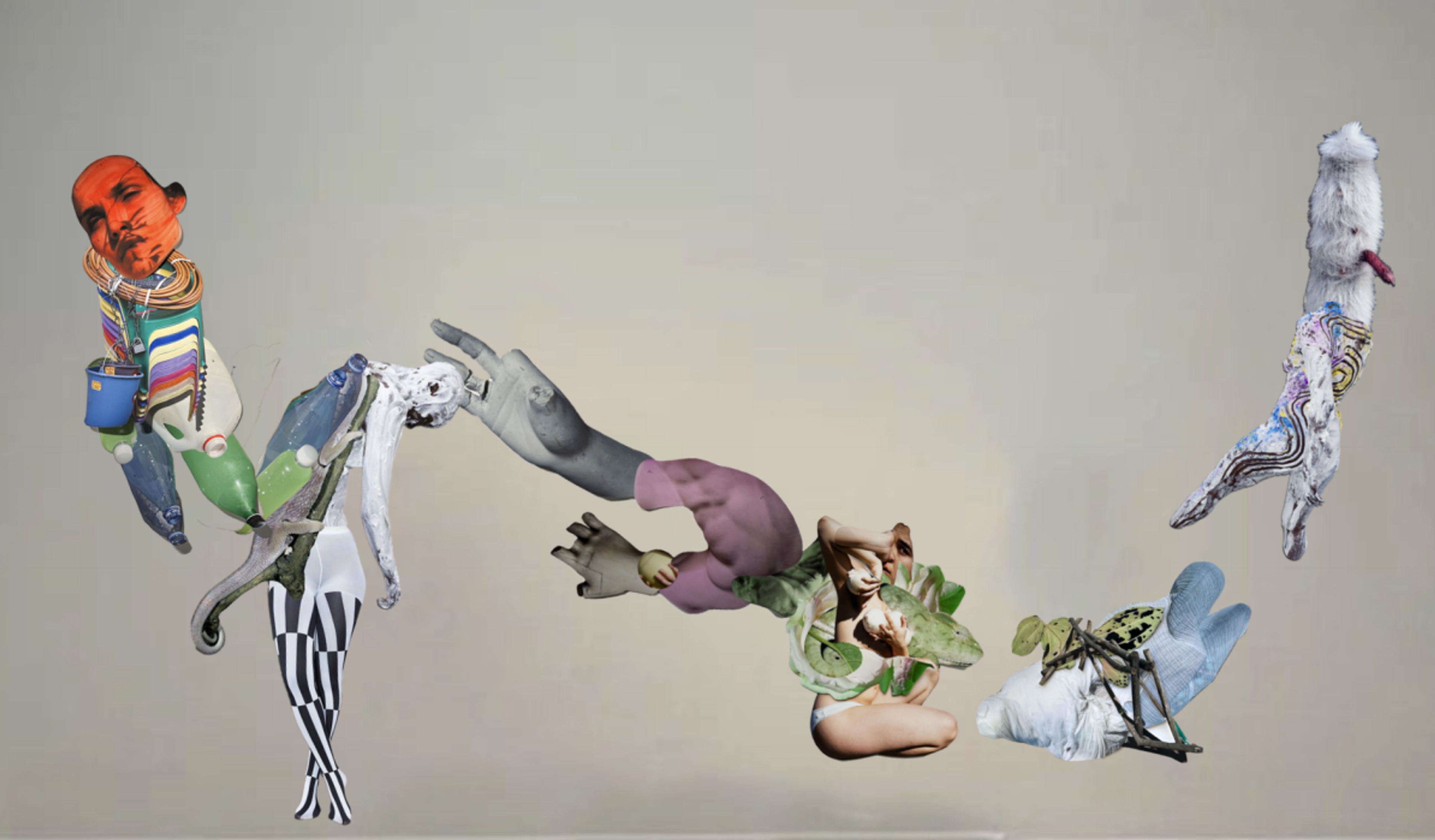
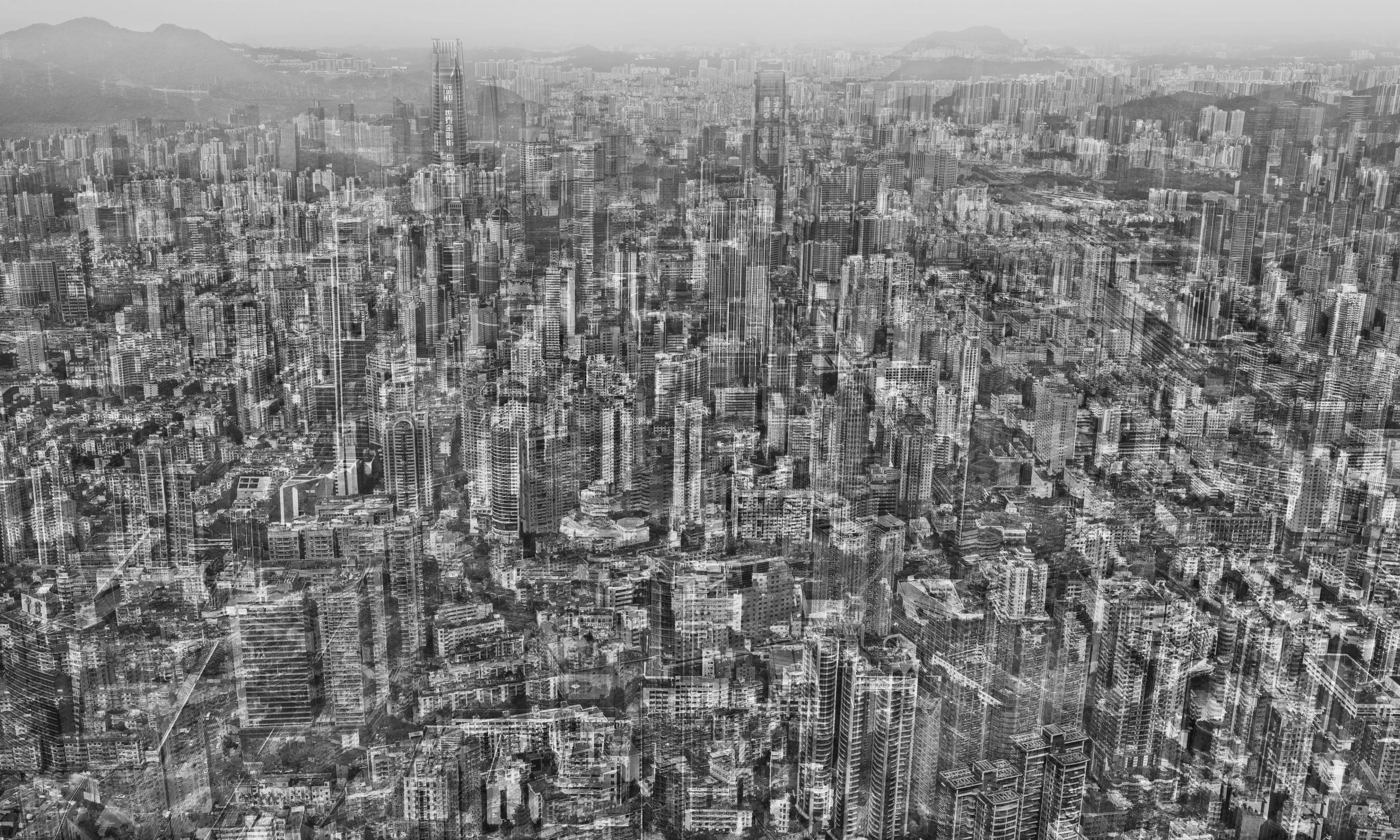
The six artists emerge from distinct cultural contexts and pursue markedly different artistic trajectories, yet each engages with the evolving possibilities of photography and moving image. In his work Netropolis | Shenzhen | 2024, Michael Najjar turns his attention to a city in perpetual transformation, observing its expanding urban fabric from an aerial perspective and revealing its distinctive density, patterns, and underlying structures. In Cadaver X, through cropping, fragmentation, and collage, Viviane Sassen unsettles established relationships between the body and space, disrupting conventional modes of photographic perception and producing images that oscillate between the familiar and the uncanny. In On Location in the World, Tan Yingjie extends the image beyond the confines of the photographic frame and into the realm of installation, transforming viewing into an embodied encounter in which the viewer’s movement and shifting position become integral to the experience of the work.
Despite their divergent visual languages, the artists share a common preoccupation: the continual redefinition of what photography and moving image can be. Once brought together, works that originated in different moments and contexts begin to enter into unexpected relationships. Two and three dimensions, surface and volume, stillness and movement, reality and fiction intersect and overlap. Photography is no longer understood solely as a means of representing or recording the world, but as a medium capable of reconfiguring reality and generating new forms of perception and imagination.
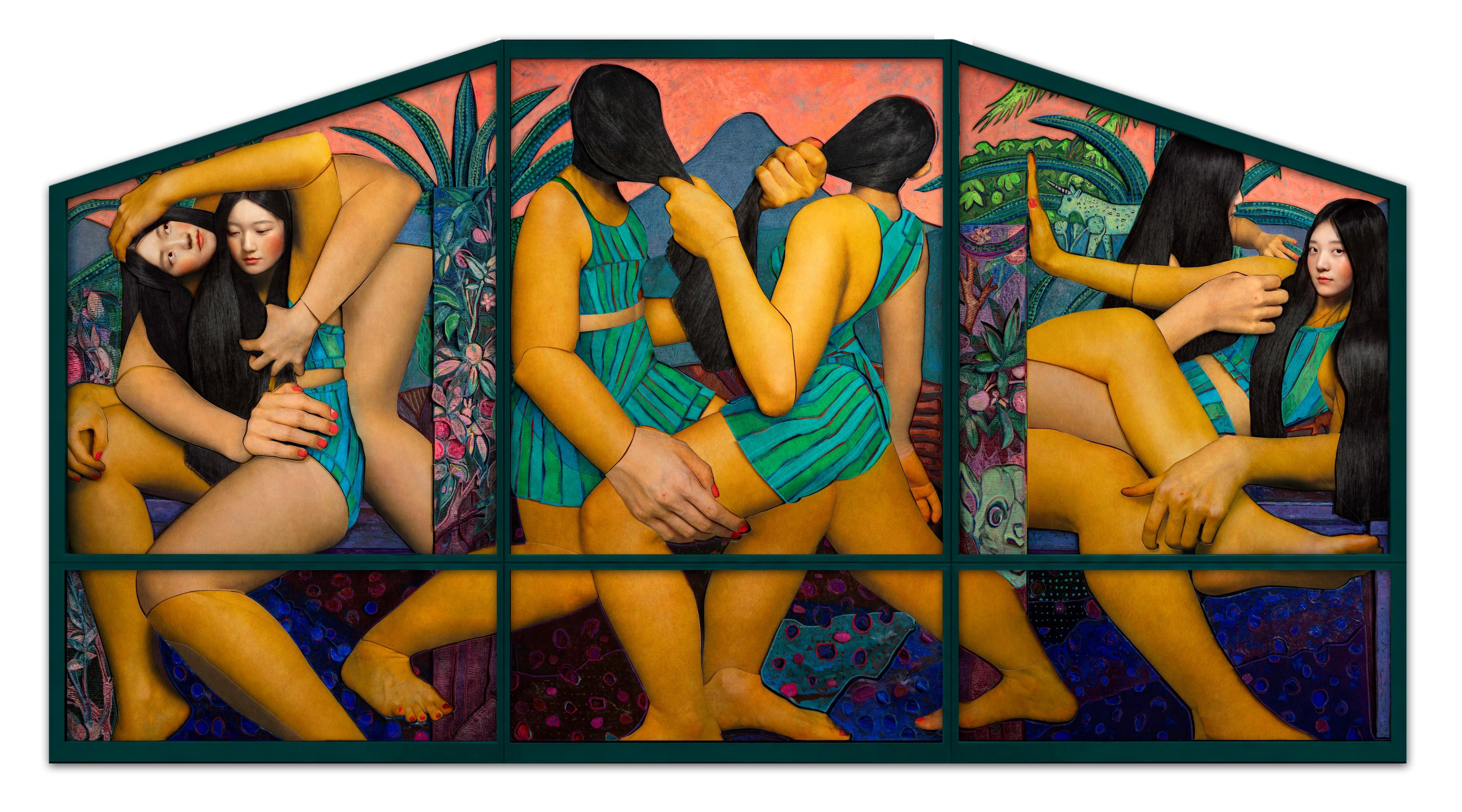
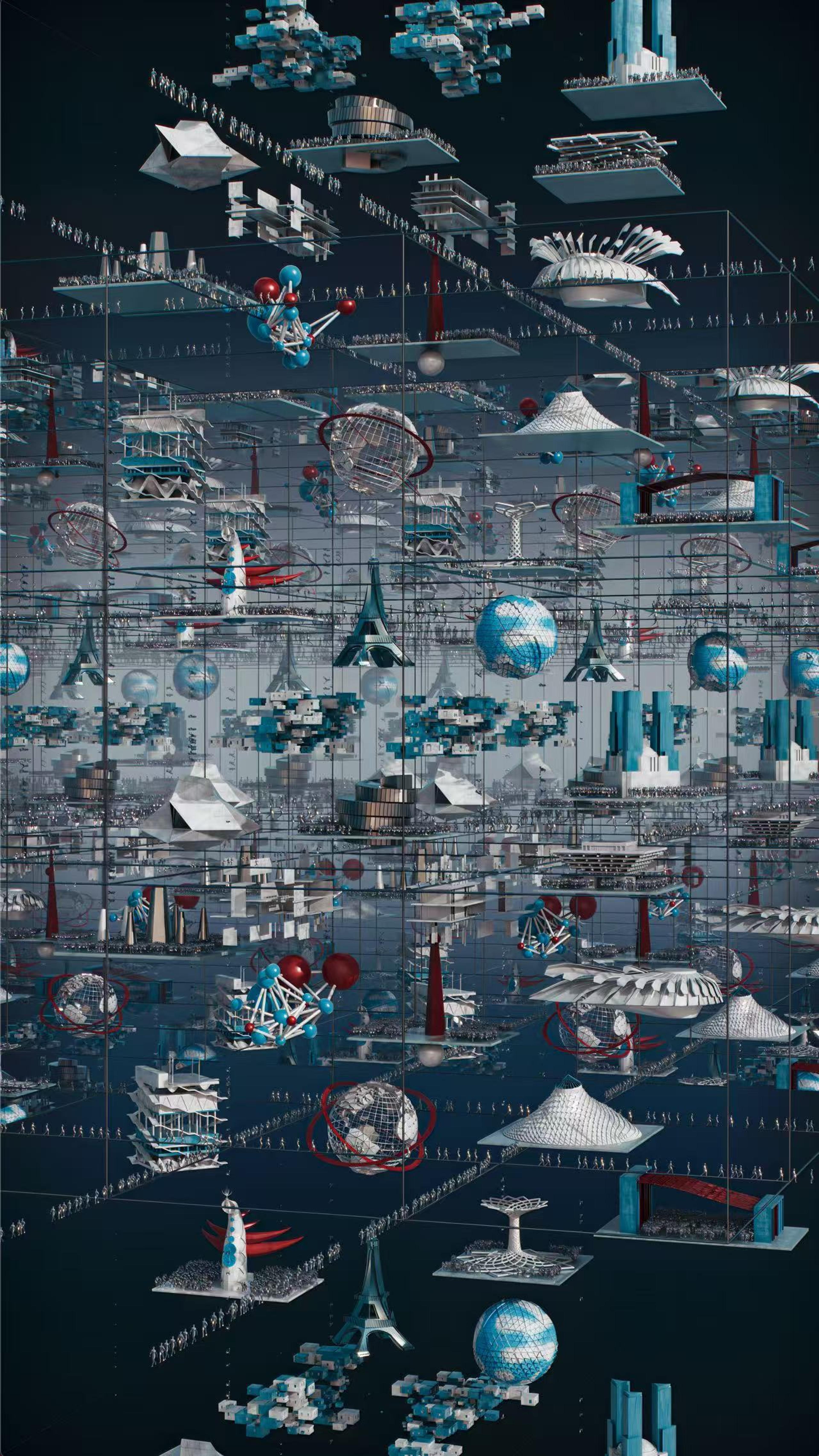
In Cooper & Gorfer’s The Twin Altar, the twin figures are presented at an extraordinary, monumental scale, extending the photographic image beyond the conventional limits of the picture plane. The figures mirror one another while producing a palpable physical tension, transforming the image on the wall from an object of visual contemplation into a presence experienced through the body. In Marco Brambilla’s After Utopia, iconic architectural structures from successive World Expos are recombined into an endlessly expanding digital city, populated by algorithmically generated figures that construct an imagined human landscape of the future. Moving image and sound converge to weave together utopian visions from different historical moments, creating a continuously unfolding audiovisual environment. Fan Xi’s Temptation No. 2, meanwhile, situates photographic imagery within material and architectural space. Monumental representations of untamed vegetation are transformed into sculptural, relief-like forms, bringing the flat natural landscape into physical space and establishing a new tension between nature and the viewer’s body.
Across these works, the image is no longer contained by the frame. Scale is expanded, boundaries are disrupted, and materials and media are reconfigured. Photography and moving image consequently move beyond their familiar frameworks. Scale, here, is not merely a question of physical dimension: a photograph may exceed the scale of the body; a moving image may occupy an entire space; an installation may alter the viewer’s trajectory through space; and a familiar reality may be reimagined through the image. The works therefore operate not simply as objects to be viewed, but as structures that actively shape the conditions of viewing itself.
In this sense, Transcendent Realities is not simply a continuation of the artists’ previous works, but a new constellation of works and ideas. Removed from their original contexts and brought into proximity with one another, the works generate new tensions and correspondences: each opens onto a distinct world; together, these worlds produce a more complex and continually expanding field of reality.
ABOUT THE ARTISTS
Michael Najjar
Viviane Sassen
Tan Yingjie
Cooper & Gorfer
Marco Brambilla
Fan Xi